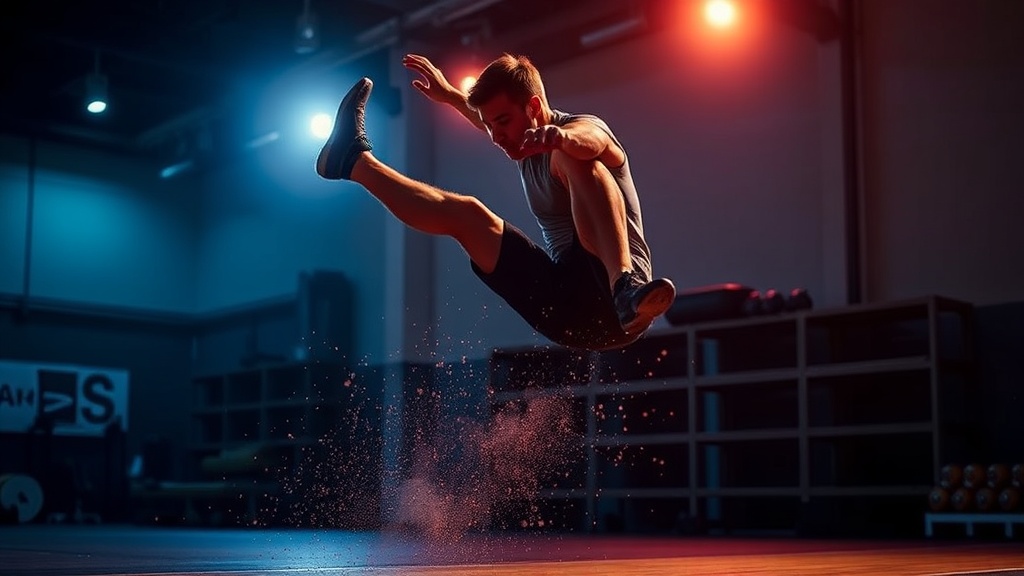
Building Explosive Leg Strength for Higher Pops and Better Ollies

The Physics of the Pop
Research shows that a single explosive movement can generate enough force to lift a person's entire body weight several inches above the ground in a fraction of a second. For skaters, this isn't just a physics problem; it's the difference between a trick landing clean and a trick left hanging. This guide covers how to develop the fast-twitch muscle fibers required for high-impact pops, the specific exercises that build vertical power, and how to train without burning out your central nervous system.
If you find your ollies are feeling heavy or flat, the issue usually isn't your technique—it's your power output. To get that height, you need more than just way better timing; you need a body that can react instantly. We're looking at the intersection of plyometrics, strength, and explosive power.
What Exercises Build Most Vertical Pop?
You can't just do endless reps of slow movements and expect to fly. To jump higher, you need to train your muscles to contract quickly. This means focusing on plyometrics—exercises that involve a rapid stretch-shortening cycle. Think of your muscles like a rubber band; you want them to be able to snap back with maximum force.
Start with Box Jumps. This isn't just about jumping high; it's about the landing. A controlled landing builds the eccentric strength needed to absorb impact when you land a trick. If you're landing heavy on a ledge, your legs need to act as shock absorbers, not rigid pillars. Another heavy hitter is the Bulgarian Split Squat. While it's a strength move, it builds the unilateral stability required to pop off one foot while the other stays positioned for the landing. It builds the raw strength in your quads and glutes that fuels the snap of the tail.
- Depth Jumps: Step off a small box, hit the ground, and immediately jump upward as high as possible.
- Jump Squats: Focus on the speed of the ascent.
- Calf Raises: Strong ankles mean more efficient energy transfer from the board to the air.
For a deeper look at how explosive training affects athletic performance, check out the resources at the NSCA. They provide evidence-based approaches to developing power in various sports.
How Often Should You Train for Explosiveness?
This is where most skaters mess up. They think more is better, but high-intensity plyometrics are taxing on the nervous system. If you're doing heavy jump training every single day, you'll likely see your progress stall or, worse, face an injury. You aren't training for endurance here; you're training for output.
A good rule of thumb is to limit your high-impact explosive sessions to two or three times a week. Your body needs time to repair the micro-tears in the muscle and reset the nervous system. If you're feeling sluggish or your "pop" feels non-existent during a session, you've probably overtrained. Listen to your body. If your legs feel like lead, skip the jumps and focus on a low-impact session or a mobility routine instead.
Can Strength Training Improve My Trick Consistency?
It's a common misconception that being "bulky" makes you a bad skater. In reality, functional strength provides the stability needed to hold a line. When you're hitting a high-speed corner or a heavy transition, your muscles need to stabilize your joints. A stronger core and stronger legs mean you can maintain your center of gravity much more effectively.
When you have the strength to hold a stable position, you aren't fighting your own body during the trick. This stability allows you to focus entirely on the board. For those interested in the biomechanics of movement, PubMed offers thousands of studies on how strength affects motor control and athletic agility.
| Exercise Type | Primary Benefit | Frequency per Week |
|---|---|---|
| Plyometrics | Explosive Power | 2 Sessions |
| Unilateral Strength | Balance/Stability | 2-3 Sessions |
| Core Stability | Board Control | Daily/Ongoing |
Don't forget the importance of the eccentric phase. The eccentric phase—the part where you are lowering yourself or absorbing weight—is just as important as the jump itself. If you can't control the descent, you won't be able to control the landing. This is where many skaters lose their balance and bail. Focus on slow, controlled movements when you aren't being explosive to build that foundation.
Lastly, keep an eye on your footwear. Even the best training won't help if your shoes lack the necessary support or if you're wearing them out. A stable base starts with the ground up. If you're working on your verticality, make sure you're also working on your ankle stability to prevent rolls and sprains during high-impact landings.